
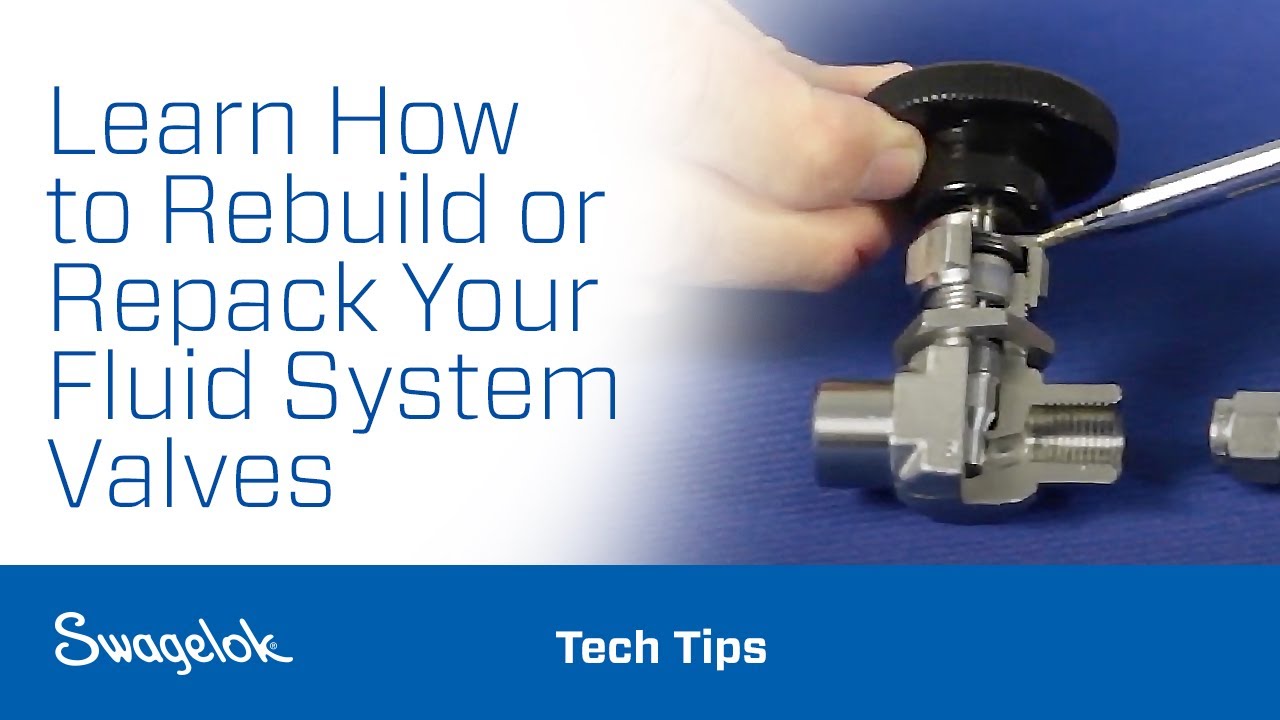
Did you know that Swagelok's manually actuated valves and several of our remotely actuated valves have rebuild kits? They show you how to adjust or replace the packing, or, rebuild the valve if needed.
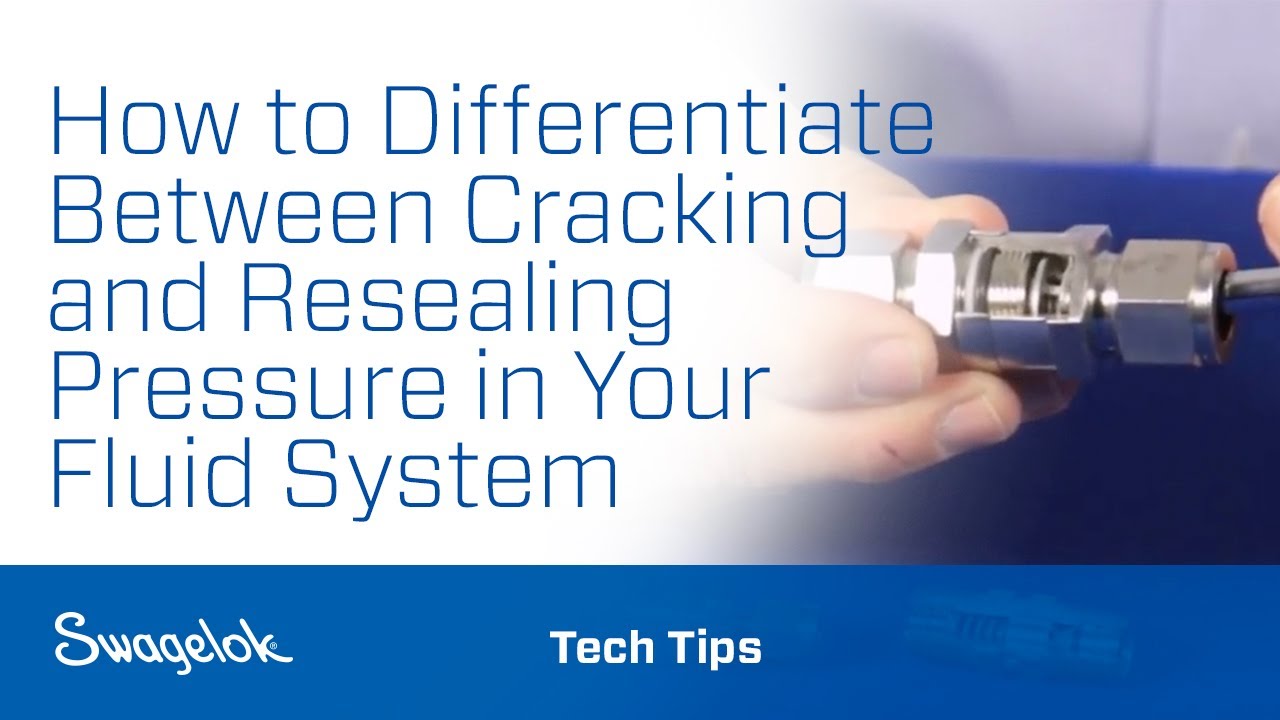
Cracking pressure is that pressure at which you first get an indication of flow. It's not necessarily when the valve is in the fully open position. When you want to reseal a check valve, you’re looking to get the right resealing pressure in which there’s no indication of flow through the valve—no stream of bubbles. The design of the check valve (poppet and O-ring relationship) and the number of check valves you have in series are factors in the required re-sealing pressure.
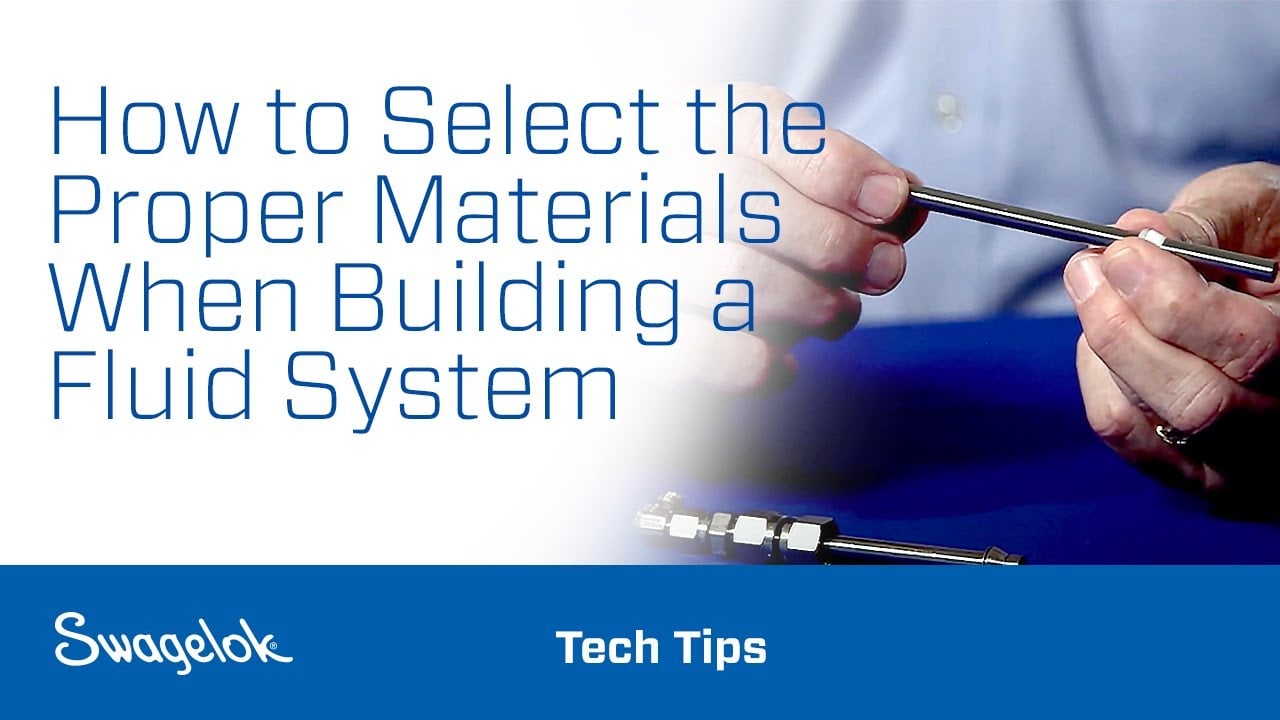
The short answer is like material goes with like material. Match stainless steel ferrules and fittings with stainless steel tubing, brass fittings and ferrules with copper tubing, and plastic fittings and ferrules with plastic tubing. You will head off the problem of dissimilar materials fighting each other, and you will be assured that your ferrules are going to adequately swage your tubing.
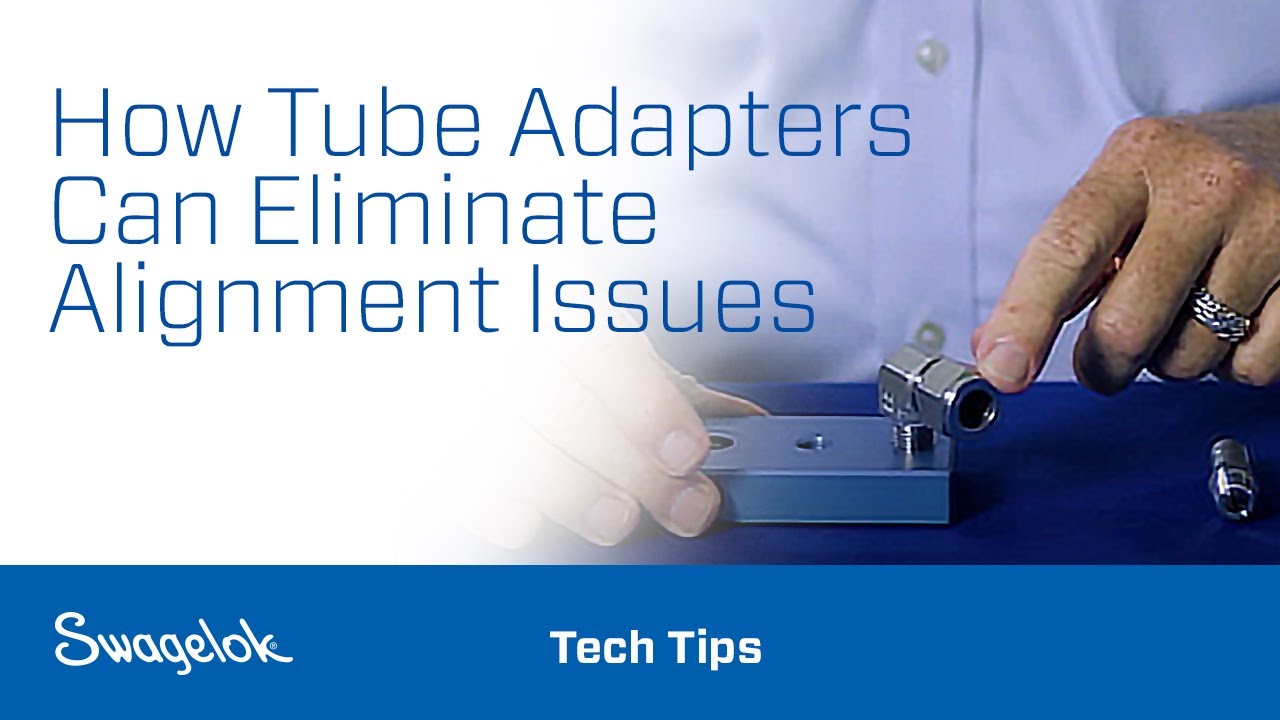
A tube adapter is a fitting that is designed with a tube stub on one end and a different fitting on the other. Tube adapters can help eliminate difficult alignment positions and help reduce inventory. They’re made from solid bar stock and are designed to be used only with Swagelok tube fittings.
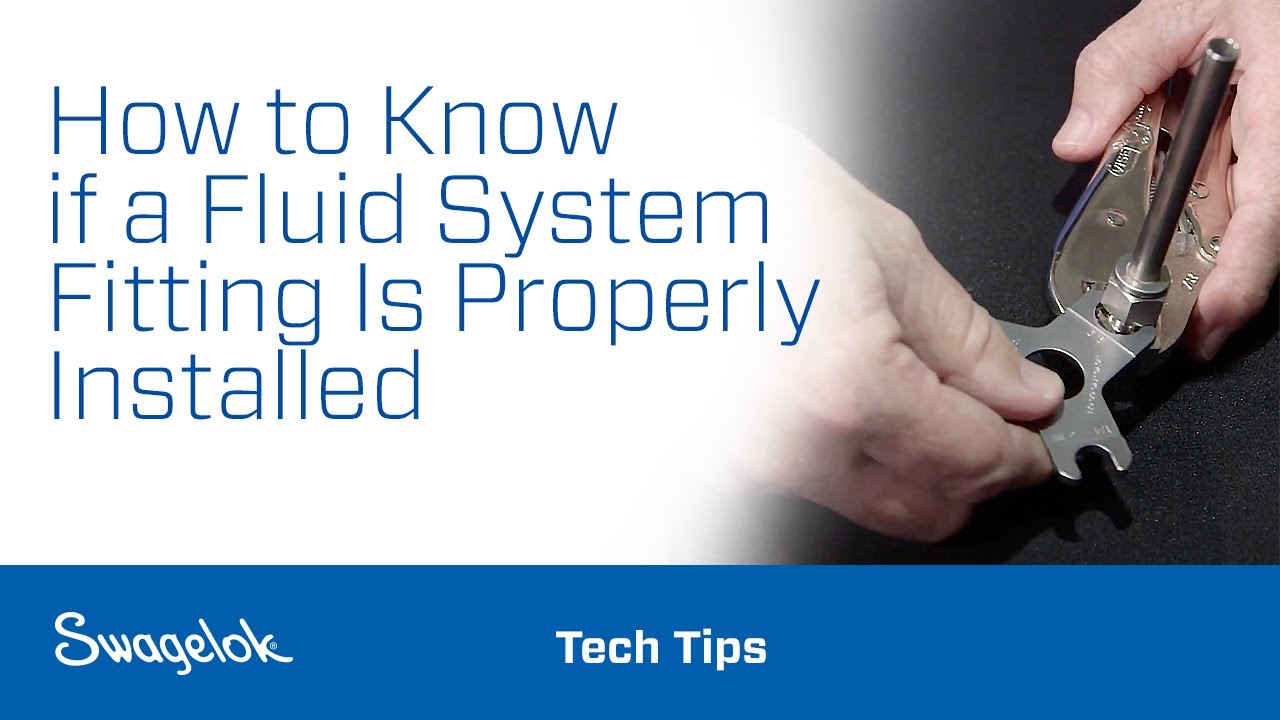
Use the Swagelok gap inspection gauge. Swagelok gap inspection gauges assure the installer or inspector that the fitting has been sufficiently pulled up on initial installation. Because we hold the tolerances so tight on the Swagelok tube fitting, we can predict the gap between the body hex and the nut. You can check for proper pull up and make adjustments accordingly.

Swagelok has several options to lock out tag out manually operated valves. From clamshell-style (OSHA compliant) to a latch lock design for a quarter turn handle, our devices can lock out in the closed or open position and can accommodate numerous sizes of stems and handles.
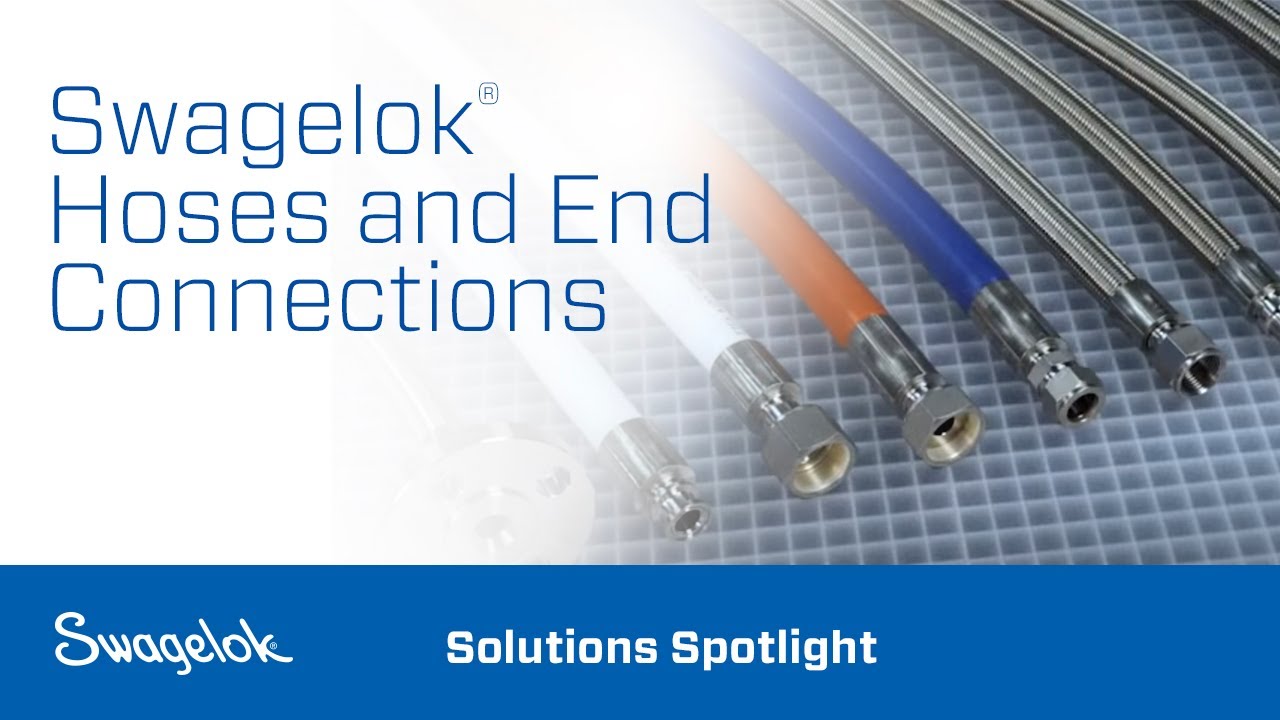
The right hose, with the right end connections, keeps a process performing safely and cost effectively. Every hose is a custom length and you can mix and match end connections all with a fast turnaround time.
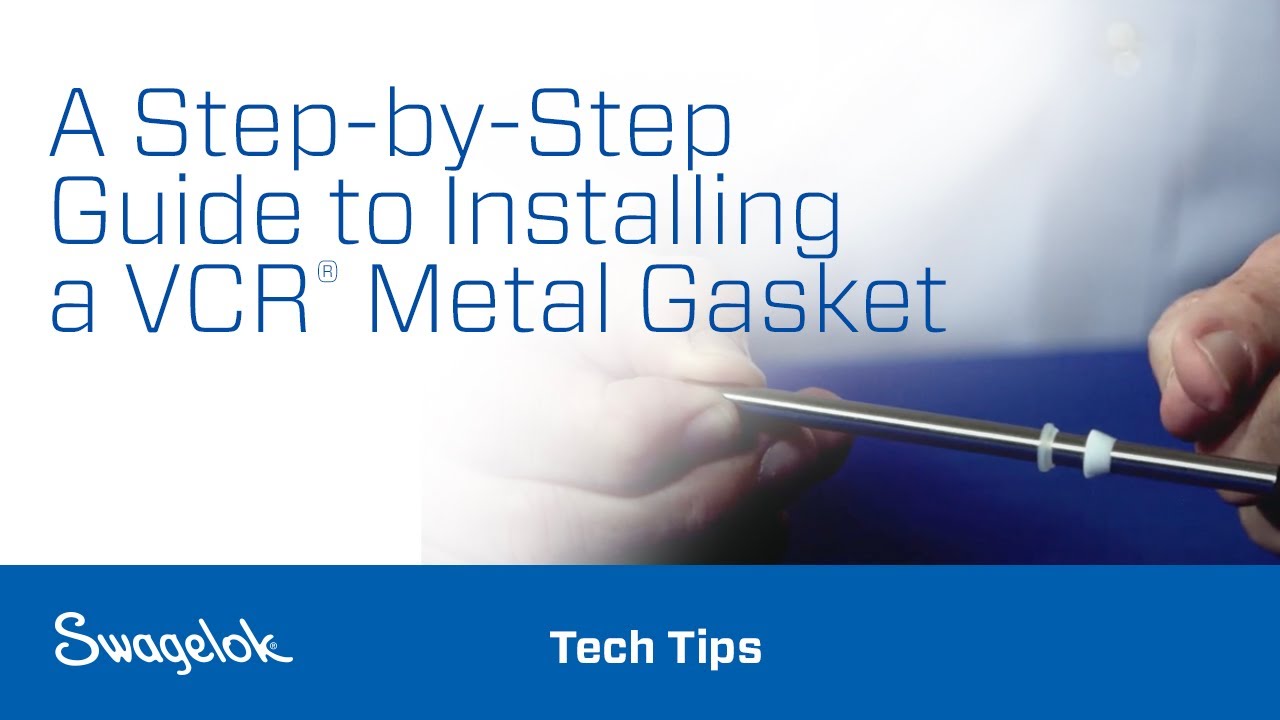
Swagelok® VCR metal gasket face seal fittings offer the high purity of a metal-to-metal seal, providing leak-tight service from vacuum to positive pressure. This video demonstrates how to install a VCR fitting.
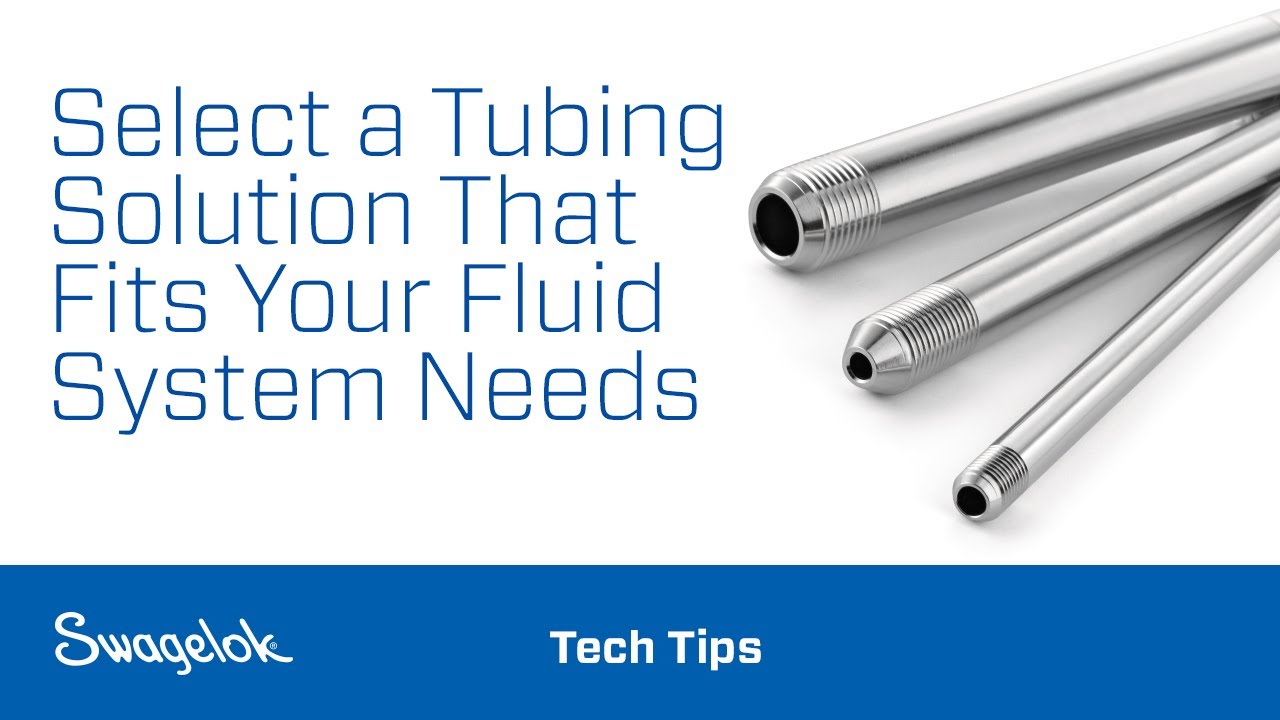
It's true, Swagelok has a lot of tubing options—that's why we supply a tubing data sheet. It details each type of tubing with all properties you'll need to consider, like surface finish, material, hardness, and wall thickness. The data sheet is not just a list, it also includes suggested allowable working pressures for various wall thicknesses and sizes, and recommended products for elevated temperatures.
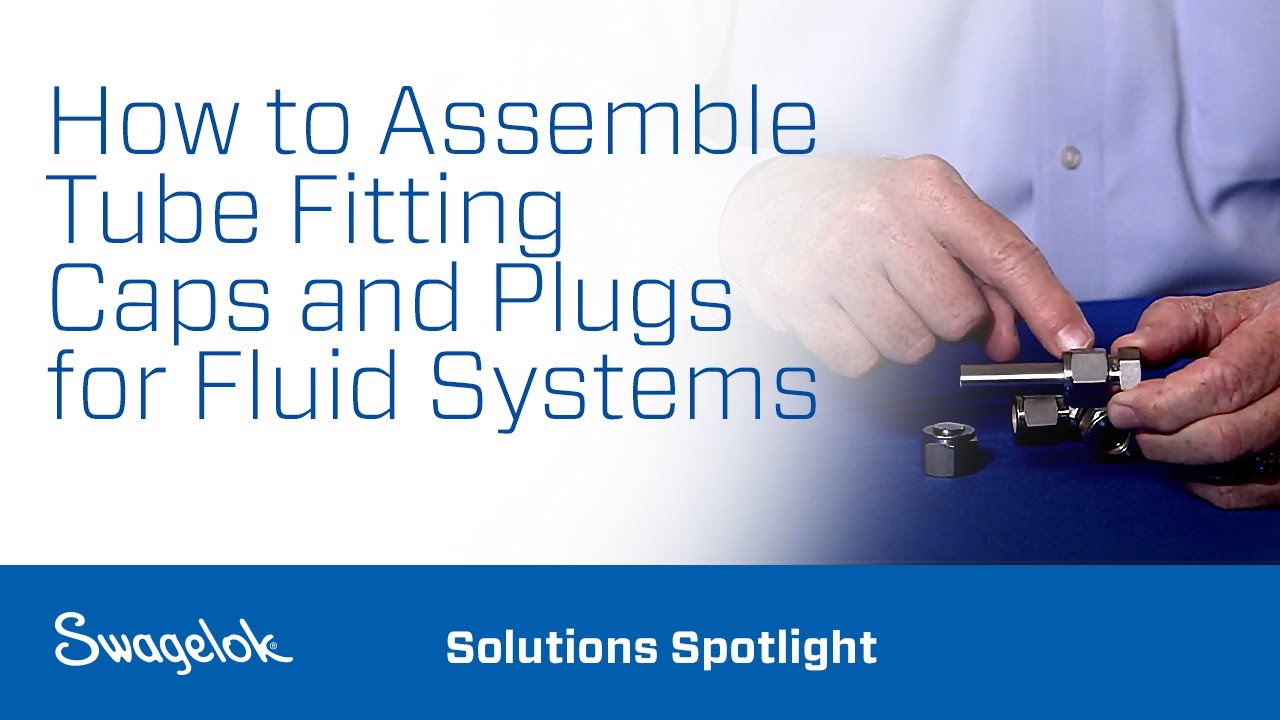
A cap is a complete Swagelok tube fitting assembly that is used to cap a piece of tubing. It includes a nut, a front ferrule, a back ferrule, and a fitting body that is blank. The blank body allows you to pressure test your assembly before installing it into your system. A plug is used to plug a port on a Swagelok tube fitting, and it has machined ferrules already inside. Like the cap, it allows you to pressure test your system.
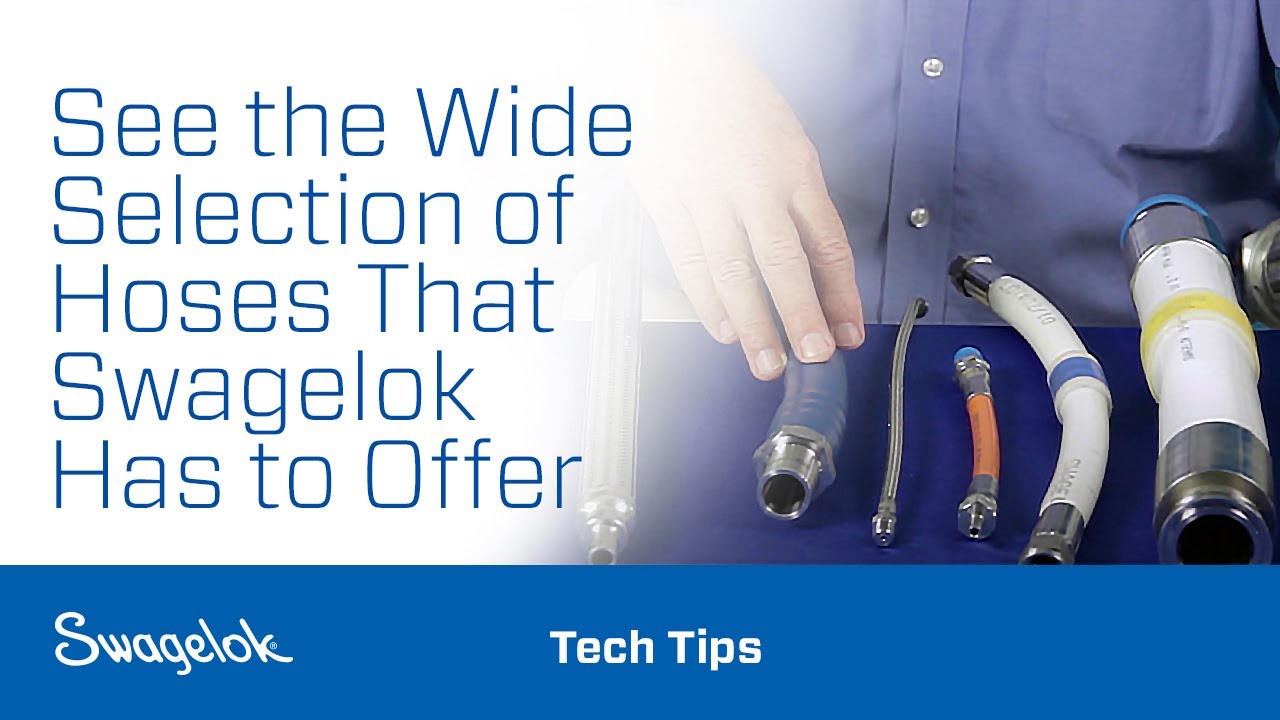
Swagelok offers a variety of hoses from all-metal to PFA core to PTFE core hose to nylon core hose. We have a general service, rubber push-on hose and a brand new 6,000-pound-rated stainless steel all-metal hose. Sizes run from two-inch down to 1/8 inch, with a wide variety of end connections. No matter your application, ask us and we will help you find the right hose for your application.
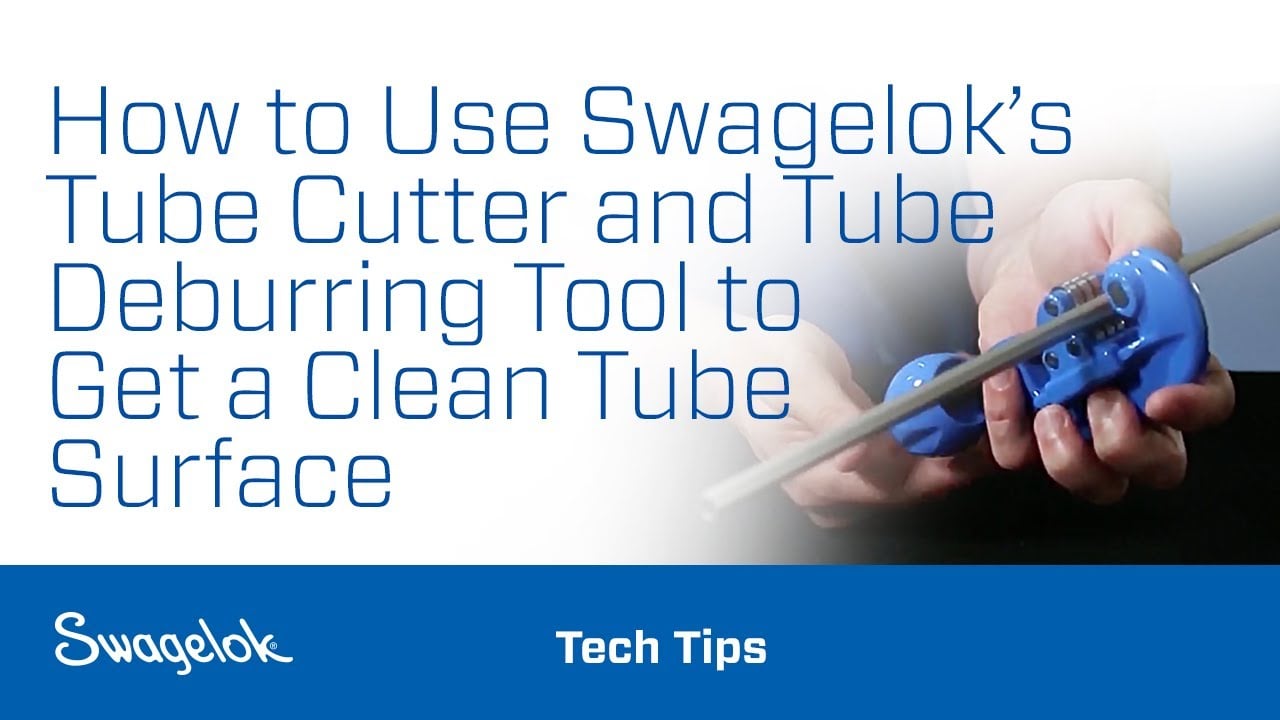
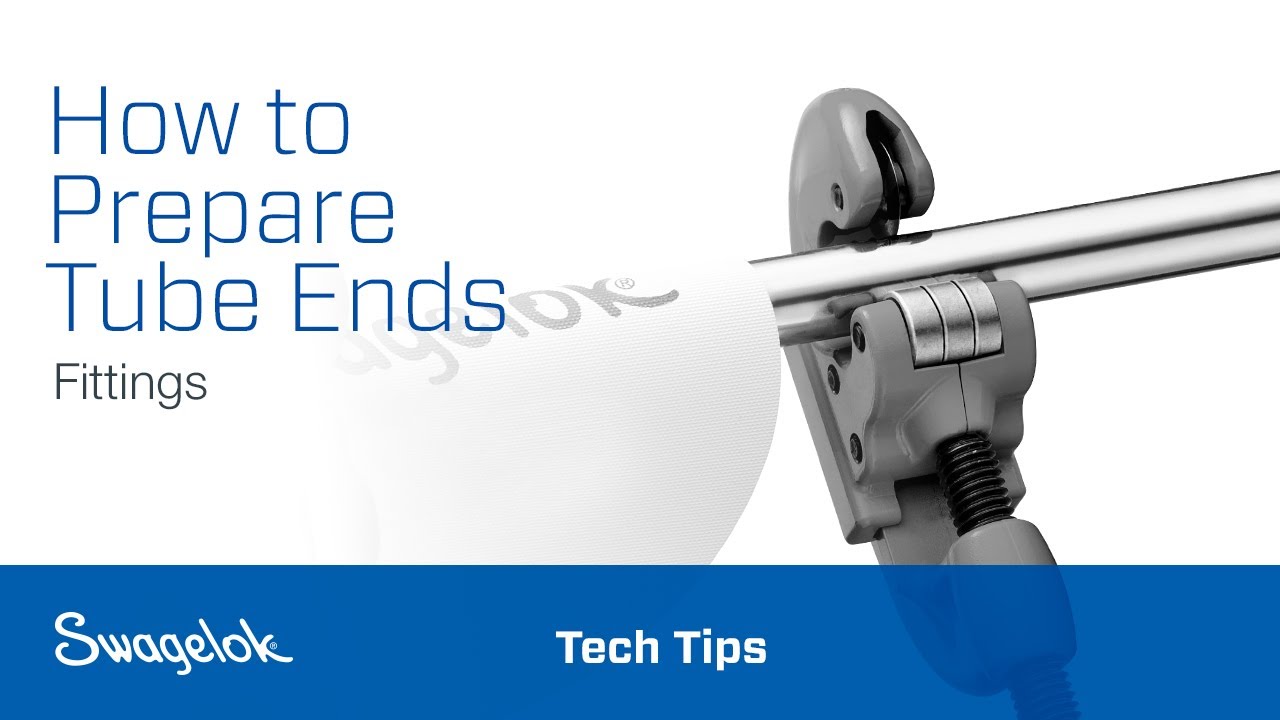
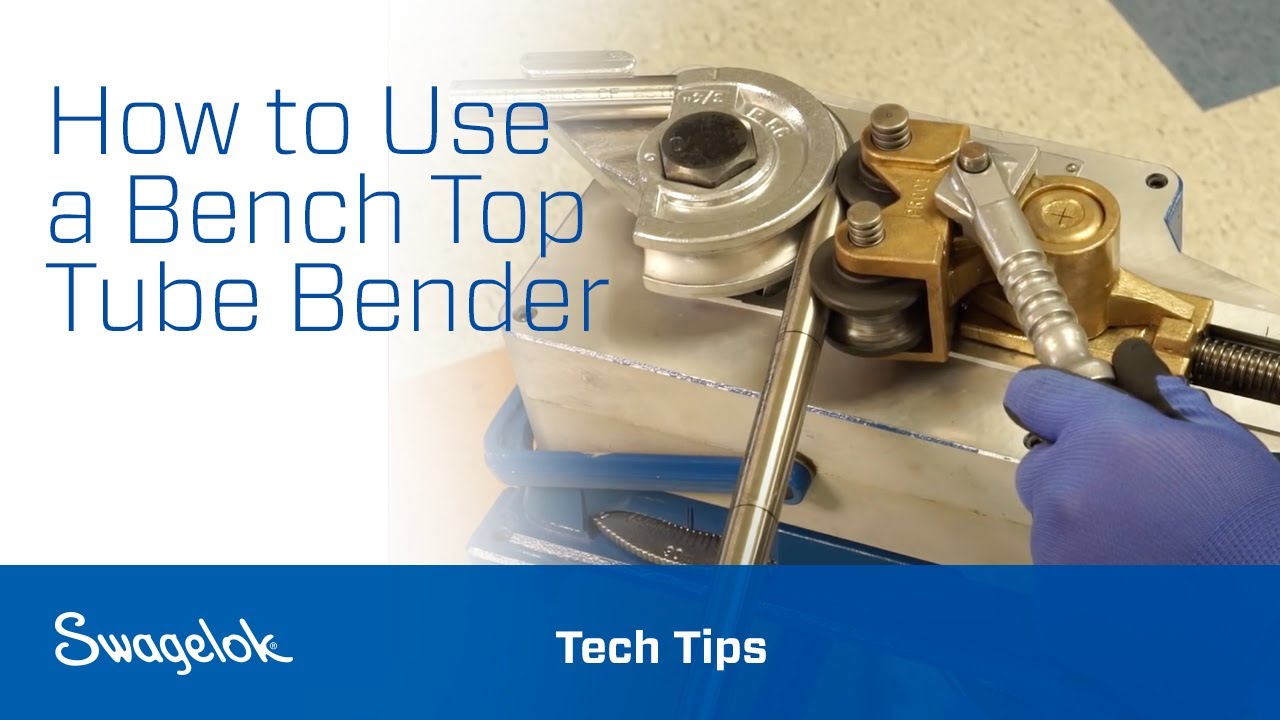
Use the Swagelok® bench top tube bender to produce accurate, repeatable, high‑quality bends in tubing made from most materials and ranging from small diameter and thin-wall to large diameter or heavy-wall tubing. Watch this video for best practices and tips.

The multihead hydraulic swaging unit (MHSU) reduces assembly and installation time of Swagelok® tube fittings by preswaging the ferrules onto tubing. See step-by-step instructions for how to use this important piece of equipment.
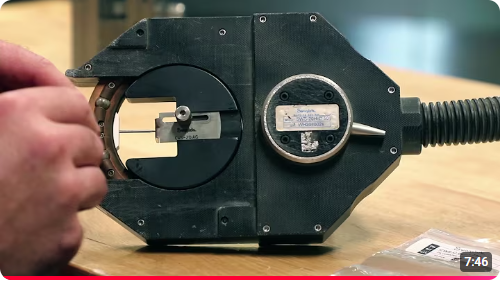
For projects requiring a consistent, safe, and efficient approach to welding, the Swagelok orbital welding system offers precision and control combined with easy-to-use touch-screen operation. The Swagelok orbital welding system provides repeatable orbital gas tungsten arc welds (GTAW) for both tubing and pipe. Its real-time monitoring and recording capabilities streamline documentation for easy adherence to industry requirements.
Check out this video from one of the US Swagelok sales and service centers on setting up your M200 for welding. We find this quick video to be helpful for those renting the M200 for orbital welding projects.